🧭 Tell us a bit about your path to becoming a radiologist.
I always had a fascination for beautiful images – art, architecture, landscapes and eventually diagnostic imaging. From cytology and histology to radiographs, already during my studies I became passionate about hunting for subtle clues in a picture and piecing them into a diagnosis.
Being a radiologist lets me mantain a solid foundation across all veterinary disciplines that rely on diagnostic imaging, enabling broad collaboration with colleagues from different departments. On top of all, it keeps the focus on the patient, while keeping owner interaction limited and purposeful. It’s the perfect blend of curiosity, problem-solving, and patient-centered medicine in a relatively quiet environment.
🩻 What is your practice and work day like?
I work four days a week in a small animal veterinary hospital together with a resident, an intern, and a radiology technician. Once a week, another board-certified radiologist joins the team. Our caseload is mainly radiography- and ultrasound-based, and we also perform several CT and MRI examinations on a daily basis. During the weekend I work a few hours for a teleradiology company. I give every now and then lectures at my institution, for the RIVDI and for other companies.
❤️🔥 Your favourite imaging modality? (And why?)
Ultrasound. I like its dynamic nature and the fact that no radiation and usually no anaesthesia are involved. Depending on the clinical question or organ of interest, its resolution and contrast can surpass any other modality. I like taking ultrasound-guided samples and perform some basic ultrasound-guided interventions. In my opinion, performing high-quality ultrasounds and being able to do some interventional radiology will remain our strongest advantage over AI.
🔮 How do you think veterinary radiology will change in 10 years?
AI will likely increase our efficiency and output. We may not be able to reduce our working hours but will probably produce more — unfortunately for a similar salary. Teleradiologists will read more and faster, reducing the overall demand for teleradiologists. On the positive side, radiologists will have to return to working in clinics — a change that will benefit clinics, patients and the radiologists’ skill sets.
🕰️ What advice would you go back in time and give yourself when you were a resident?
Start using the same software (Notes) to manage your summaries from the very beginning and collect interesting more thoroughly and in a better organized way from the very beginning. Worry less about physics for the theoretical exam.
🎉 What do you like to do for fun?
Meet friends, dancing (swing music), hiking, skiing, cooking, playing board- and video-games, pet my cats on the sofa while listening to a good audiobook.
✨ What have you always wanted to do but never done?
Take a long sabbatical period to explore North Africa and Asia.
🧠 Favourite quote or words to live by?
Non fare a nessuno quello che non vorresti fosse fatto a te (“Do not do to others what you would not want done to you”).
🧵 Please complete the following sentences…
I usually start my day with… petting my cats.The time of my residency was… funny, stressful, emotional. Overall, a beautiful period of my life.
If I had more time I would… do more sports, travel more, maybe have kids.
Sometimes I ask myself… why can’t I work less without feeling guilty? Is my job ecological? Will I be reborn after life, or simply disappear into thin air? Which colour suits my skin tone best?
I solve problems by… weighing pros and cons, making plans and checklists, asking reliable people for advice, searching the internet for answers, petting my cats to find inner balance and a more philosophical outlook.
Teaching is… the best way to learn
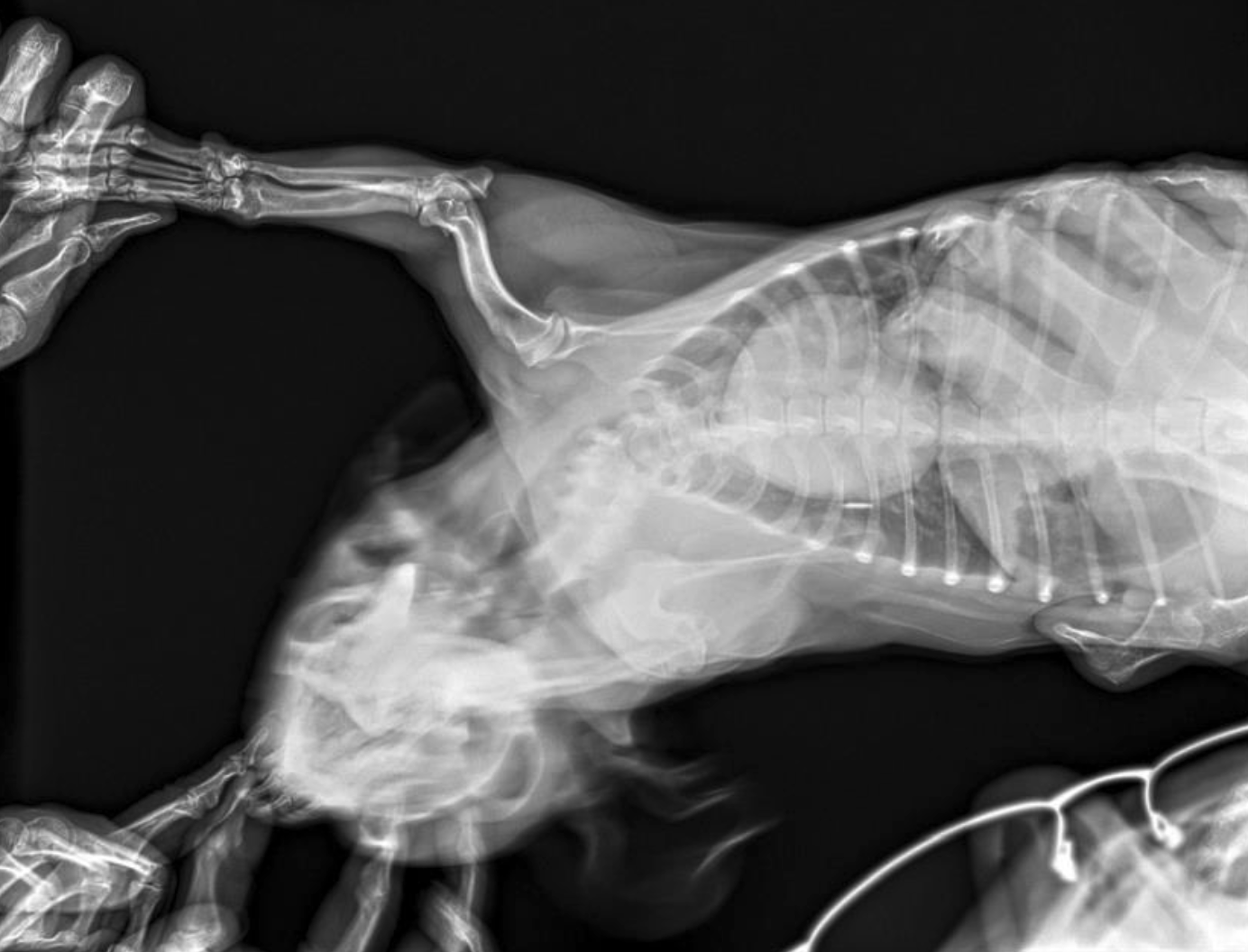
🖼️ My favourite image *(MRI, CT, US, Rads)*