🧭 Tell us a bit about your path to becoming a radiologist.
I finished up my vet degree at Alfort Veterinary School in Paris back in 2014.
After that, I completed a one-year small animal rotating internship in Alfort (2015), and then a specialized one in small animal internal medicine in a private referral institution based in France (2016).
I worked as a general practitioner in France from 2016 to 2018. That’s where I really got into Diagnostic Imaging, teaching myself how to do abdominal ultrasounds on my parents.
I moved to Scotland in 2018 and did another rotating small animal internship at the University of Glasgow, which quickly led to starting my Diagnostic Imaging residency in 2019.
I became a board-certified radiologist in 2022.
🩻 What is your practice and workday like?
I currently split my time between the University of Glasgow and working as a teleradiologist for AIS. At the University, my day generally runs from 9 am to 5 pm. If the staffing allows, I'll spend half the day performing ultrasound and the other half on reporting duties. I also typically spend about an hour correcting radiographic reports with the students.
For my teleradiology work, my day starts earlier, usually around 6 am, and finishes around 12 or 1 pm. I report every modality, but the majority of my work is reading radiographs.
In my spare time, I stay involved with research and peer-reviewing, plus I volunteer my time on the RVDI committee.
❤🔥 Your favourite imaging modality? (And why?)
Honestly, that's a tough one because I enjoy every modality. But if I had to pick, reporting CTs of the head and neck really makes my day. I have a genuine passion for that specific area, especially the nasal cavities.
🔮 How do you think veterinary radiology will change in 10 years?
It's hard to say where things are headed. Since we're currently outnumbered, I'm really hoping our community will grow soon so we can provide our expertise to everyone I know a lot of people worry about AI, but I don't think it's going to replace us. My hope is that AI-based tools will be developed to assist us, helping us do our work better and more efficiently.
🕰 What advice would you go back in time and give yourself when you were a resident?
I'd tell myself to keep putting in all that hard work and not stress too much during the tough patches, because in the end, it will all turn out fine.
🎉 What do you like to do for fun?
After work, I really enjoy running. I also spend time studying Japanese language and calligraphy. I don't have a ton of free time these days, but I used to draw and paint regularly, and I really should get back into it! Playing video games from time to time or watching history documentaries is also a nice way to unwind.
✨ What have you always wanted to do but never done?
That’s one subject I have absolutely no regrets about. I’m completely free to choose my own path and have always made sure to do the things I set out to try.
🧠 Favourite quote or words to live by?
If we ignore history, we're just setting ourselves up to repeat the same mistakes.
🧵 Please complete the following sentences…
I usually start my day ... by feeding the cat! (I'm basically just my own fur baby's slave)
The time of my residency was … obviously tough and required a lot of hard work, but it was so worth it in the end. I still have some great memories from that period.
If I had more time I would .… travel more often.
Sometimes I ask myself … why do you work so much?
I solve problems by … charging in headfirst.
Teaching is … interesting, especially because it pushes me to remain at the top of my game. It's also incredibly satisfying to watch students, interns, and residents gradually become more knowledgeable. The downside is that it's very time-consuming and can be frustrating sometimes.
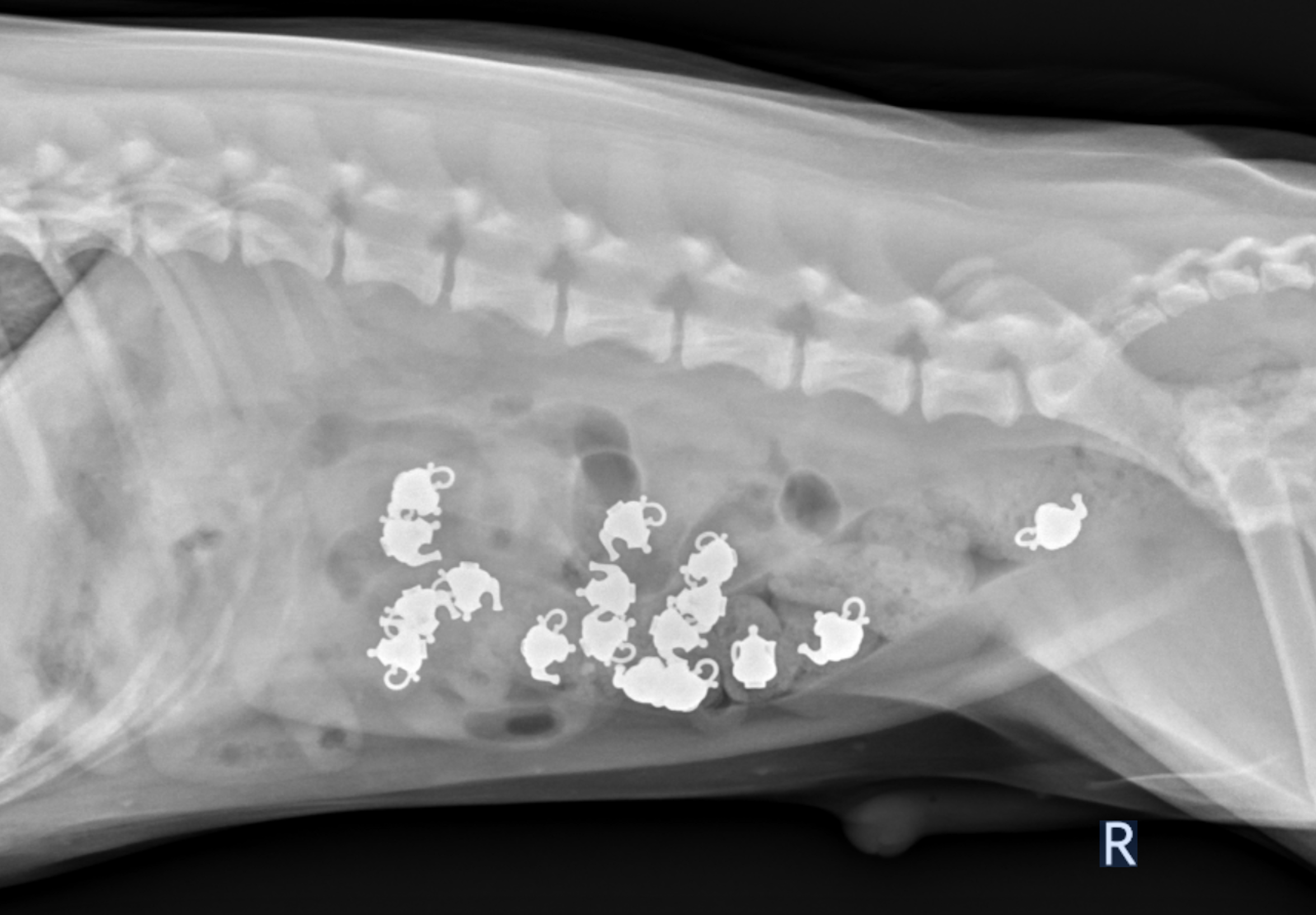
🖼 My favourite image *(MRI, CT, US, Rads)*